
Seeing every railcar move from origin to destination.
Cando Rail’s Quasar Explorer was built on the SensorUp platform. Shippers went from knowing when a train left and arrived to seeing every handoff in between.
Customer
- Cando Rail Services. Bulk-material supply chains, connecting industry with Class 1 railways across Canada.
What was built
- Quasar Explorer, Cando’s shipper-facing visibility product. The SensorUp platform sat underneath it.
Data brought together
- Trackside Automatic Equipment Identification (AEI) reader events
- Location sensors on railcars
- Cando’s yard management system
- Terminal and partner handoffs
Earlier work · Rail logistics · 2019 to 2020
Every handoff in the chain, as it happened
Cando Rail Services wanted to give shippers a live picture of a bulk supply chain that, by Cando’s account, passes through as many as 15 partners between origin and destination. Industry car-tracking systems only reported a railcar as it passed a trackside reader, so Quasar Explorer was built on SensorUp to put reader events, railcar sensors and yard data on one record. Cando reported that the gathering and cleaning its team did by hand each week was automated, and shippers could act on the network while it was still moving.
This case study describes work completed in 2019 and 2020, before SensorUp’s current product, SensorUp Studio. It is a record of what the team delivered, not a description of what ships today.
How it went
Cando closed the dark stretch between trackside readers without replacing anyone’s system
01 · The problem
Between two readers, the railcar went dark
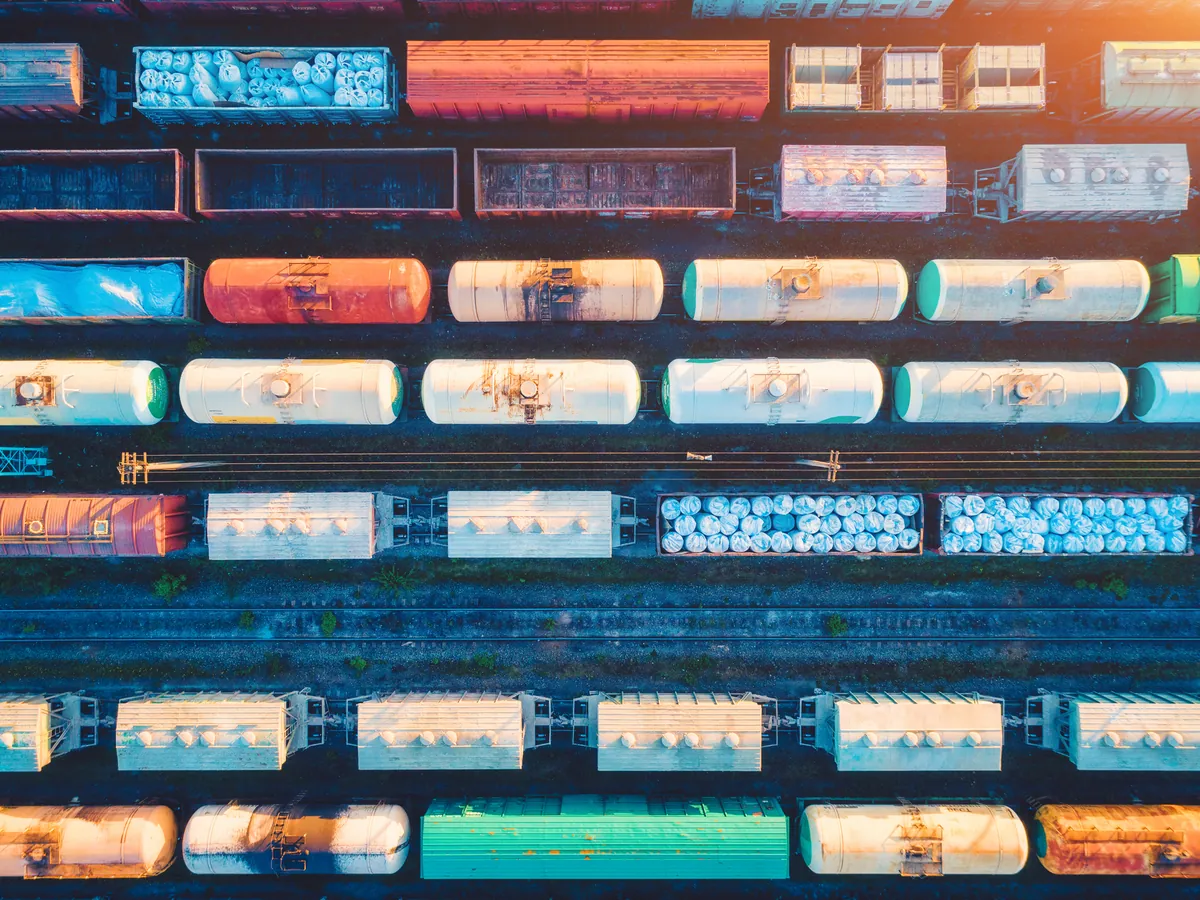
By Cando’s count, a railcar moving from a mine to a port can change hands 15 times. Corrie Banks, then Cando’s Director of Logistics, called it a relay race. The car-tracking systems the industry runs on, Banks said, date from the 1960s. They report a car only when it passes a stationary AEI reader. At a port, on a short line or at a customer’s siding there is no reader, and the car is dark. Shippers filled the gap by hand. A logistics desk, by Cando’s account, kept three or four tracking applications open and stitched the picture together. The hours went into gathering data rather than acting on it. By the time a stalled car showed up in the numbers, the truck for the next leg had already been scheduled.
Stock photograph
02 · Why SensorUp fit
One record, fast enough to act on
Cando had two routes it did not take. It could have kept building on the legacy tracking systems and inherited their cadence and their data formats. Or it could have built its own pipeline. Banks put the cost of that plainly: without SensorUp, her team would have spent its time and energy cleaning data instead of moving product. SensorUp took in the AEI events, the railcar sensor positions and the yard system records. It cleaned them and placed each one in time and on the map, in one standard model. Speed was the deciding factor. Cando needed the data processed as fast as the network moved, and it had searched for that capability and not found it elsewhere. Quasar Explorer was built on that record.
Route not taken
Legacy car tracking
Reports a car only when it passes a stationary AEI reader, in formats that were never clean.
Route not taken
Home-built pipeline
Cando’s own time and energy spent cleaning data instead of moving product.
The fit
SensorUp
AEI events, railcar sensor positions and yard records on one record, processed as fast as the network moved.
03 · Implementation and adoption
Shippers kept their own systems and got the picture anyway
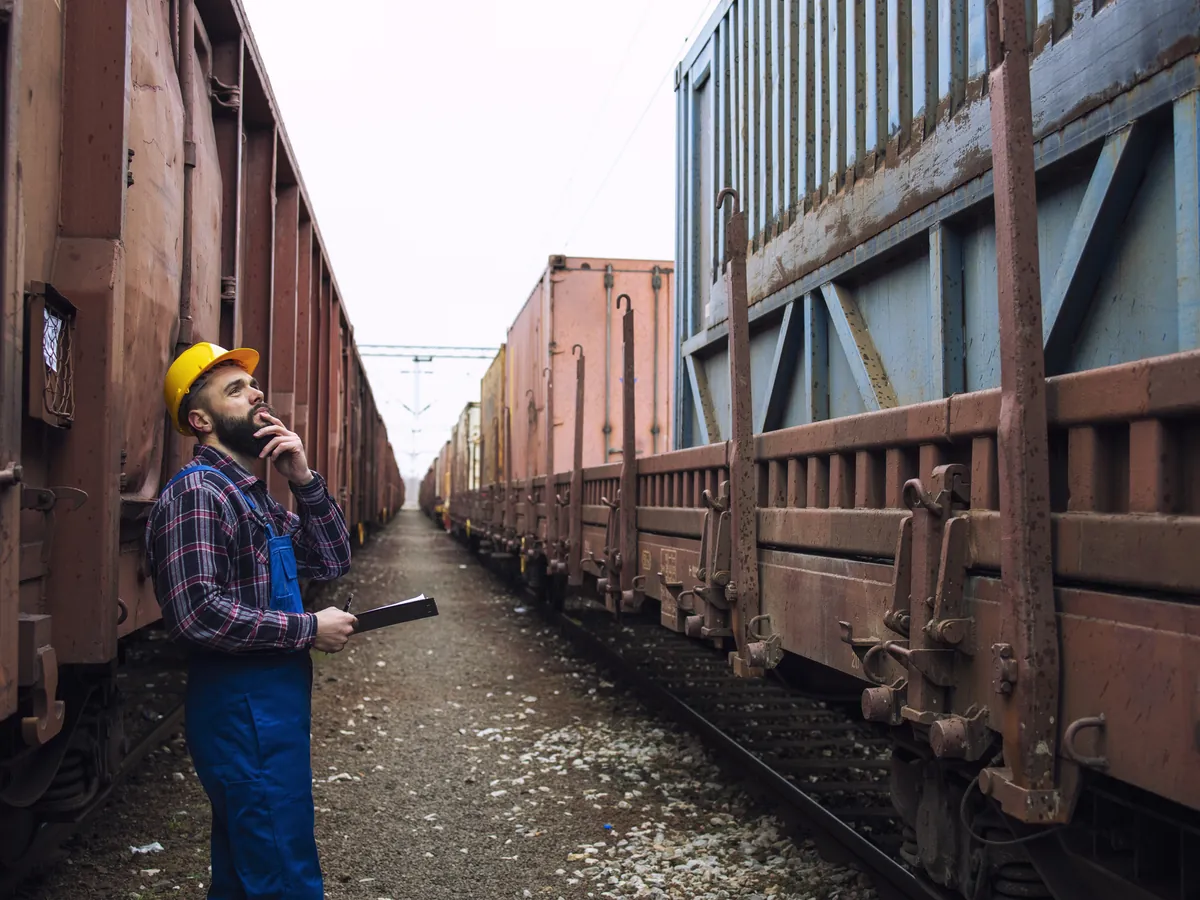
The first Quasar components launched in the fall of 2019. SensorUp integrated the trackside reader feed, the railcar location sensors and Cando’s yard management system. Each railcar event was cleaned and tagged on arrival and could be analyzed the moment it landed. Shippers did not have to adopt a new tool to benefit. Quasar sent an email or a text when a set of railcars was due at a transload facility, and the trucking company had its equipment ready for the next leg. The logistics desk stopped building the picture and started working from it. None of this asked a shipper to leave a system that already worked.
Stock photograph
Route not taken
Legacy car tracking
Reports a car only when it passes a stationary AEI reader, in formats that were never clean.
Route not taken
Home-built pipeline
Cando’s own time and energy spent cleaning data instead of moving product.
The fit
SensorUp
AEI events, railcar sensor positions and yard records on one record, processed as fast as the network moved.
What changed
Rail supply chain visibility at every handoff, as Cando reported it
01
Visible at every point in the chain
Every railcar was visible at every point in the chain, including the ports, short lines and customer sidings where the trackside readers were blind.
02
Within about 15 feet
Railcar position was reported to within about 15 feet.
03
Gathering and cleaning, automated
The gathering and cleaning the team did by hand each week was automated.
04
Notified before arrival
Partners were notified ahead of arrivals instead of after them.
Reported by Cando in 2020. No before-and-after figures were measured for this engagement, so none are reported here.
In their words
“Making decisions in the moment is crucial. But finding a vendor that could provide this real-time result was difficult. We needed a single platform that could pull all of the sensor data together so that the logistics of the supply chain could be easily managed.”
More earlier work: a live view of every firefighter at Vancouver Fire Rescue and one shared sensor record for DHS first responders. How the same pattern runs in industrial operations today: why SensorUp.
Build a working prototype on your data in two days
The workshop is free. Bring one workflow and a representative sample of your data, and an engineer will scope it with you on day one.