
Giving incident command a live view of every firefighter.
Vancouver Fire Rescue put wearable sensor data on one record, so command could see each crew member’s location, environment and condition at the incident.
Customer
- Vancouver Fire Rescue Services (VFRS). Fire and rescue for the City of Vancouver.
Lead
- Deputy Chief Tyler Moore, VFRS (title in 2020).
Data brought together
- Wearable sensors on responders: heart rate, body temperature, movement, position
- Environmental sensors: air quality, chemicals present, room temperature
- Other departmental applications
Earlier work · Public safety · 2019 to 2020
Every firefighter visible to command while the incident ran
Command teams at a working fire have seconds to decide who goes in, who comes out and who needs help, and once a responder was inside, command had no view of their environment. VFRS worked with SensorUp to put the data from sensors worn by firefighters on one record, and command staff could see each crew member’s location, environment and condition as the incident unfolded. Alerts fired when a threshold was crossed, and the same data built an exposure history that went to each firefighter’s own doctor.
This case study describes work completed in 2019 and 2020, before SensorUp’s current product, SensorUp Studio. It is a record of what the team delivered, not a description of what ships today.
How it went
Wearable sensor data gave command one picture of every firefighter, and each doctor the history
01 · The problem
Inside the structure, command could not see the responder
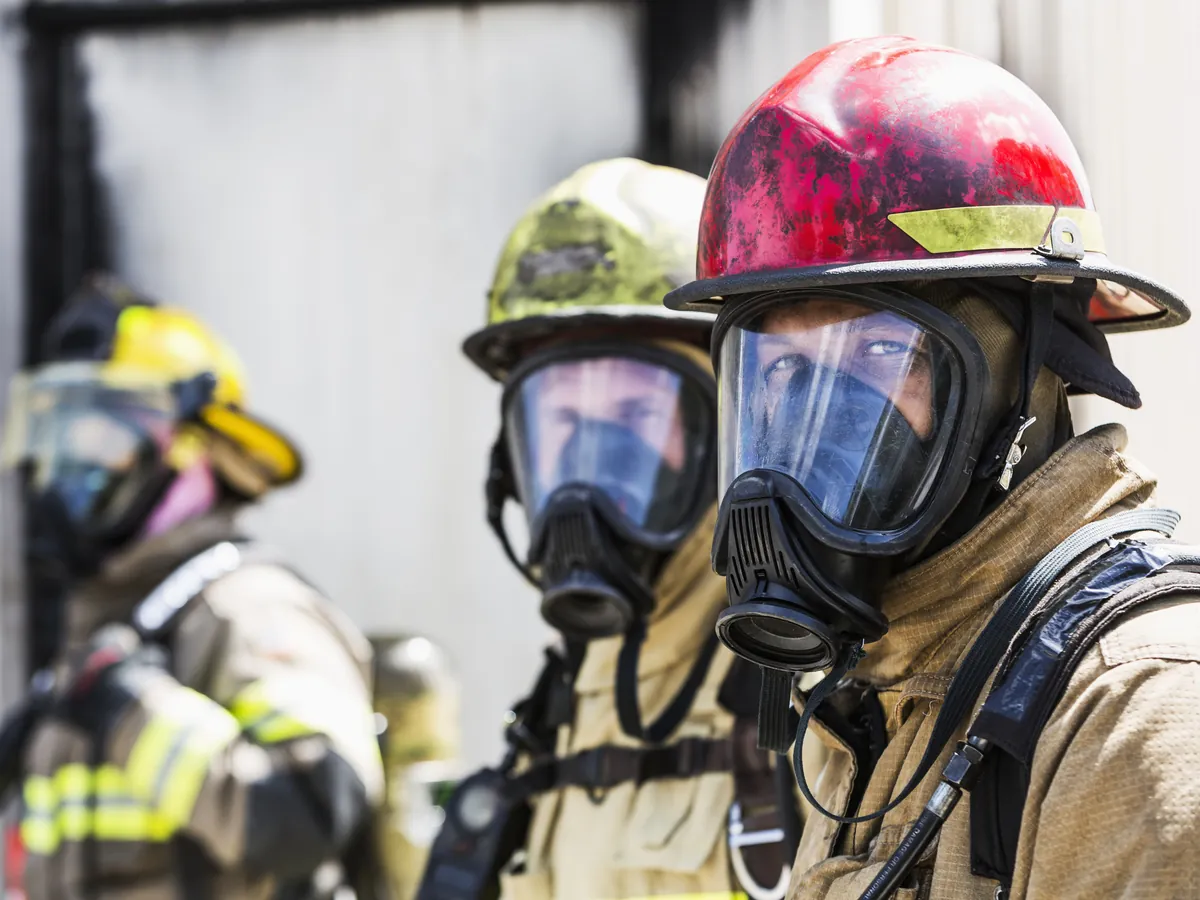
No two fires are the same. Temperatures climb without warning and structures collapse. A responder will stay in an environment past the point it is safe, especially when a life is at stake. Unless a commander stands beside them, nobody knows the air they are breathing, their heart rate, or whether they are still moving. The same gap runs across a career. Exposure to the chemicals in a fire accumulates over decades, and a department found out when the damage was done. Tyler Moore, then Deputy Chief, called that model reactive, and said it was not good enough. Every department lived with it.
Stock photograph
02 · Why SensorUp fit
One record for the incident and for the career
VFRS could have added another screen. Each sensor vendor ships its own dashboard. Command staff at a working fire have no time to read copious data or consult multiple screens. Or the department could have built its own integration and paid to keep it current every time a sensor changed. SensorUp collected the thousands of data points each sensor produced, cleaned them and put them on one record, in time and on the map. Command staff saw one picture of the event: where each firefighter was, the environment they were working in, and whether they were moving or prone. Data from other departmental applications sat on the same record. At-risk crew members were visually distinct and easy to locate.
Route not taken
One more vendor dashboard
Each sensor ships its own screen. Command has no time to read several.
Route not taken
Home-built integration
Paid for again every time a sensor changed.
The fit
SensorUp
Thousands of readings per sensor on one record, in time and on the map, with thresholds that fire.
03 · Implementation and adoption
Alerts for command, history for the doctor
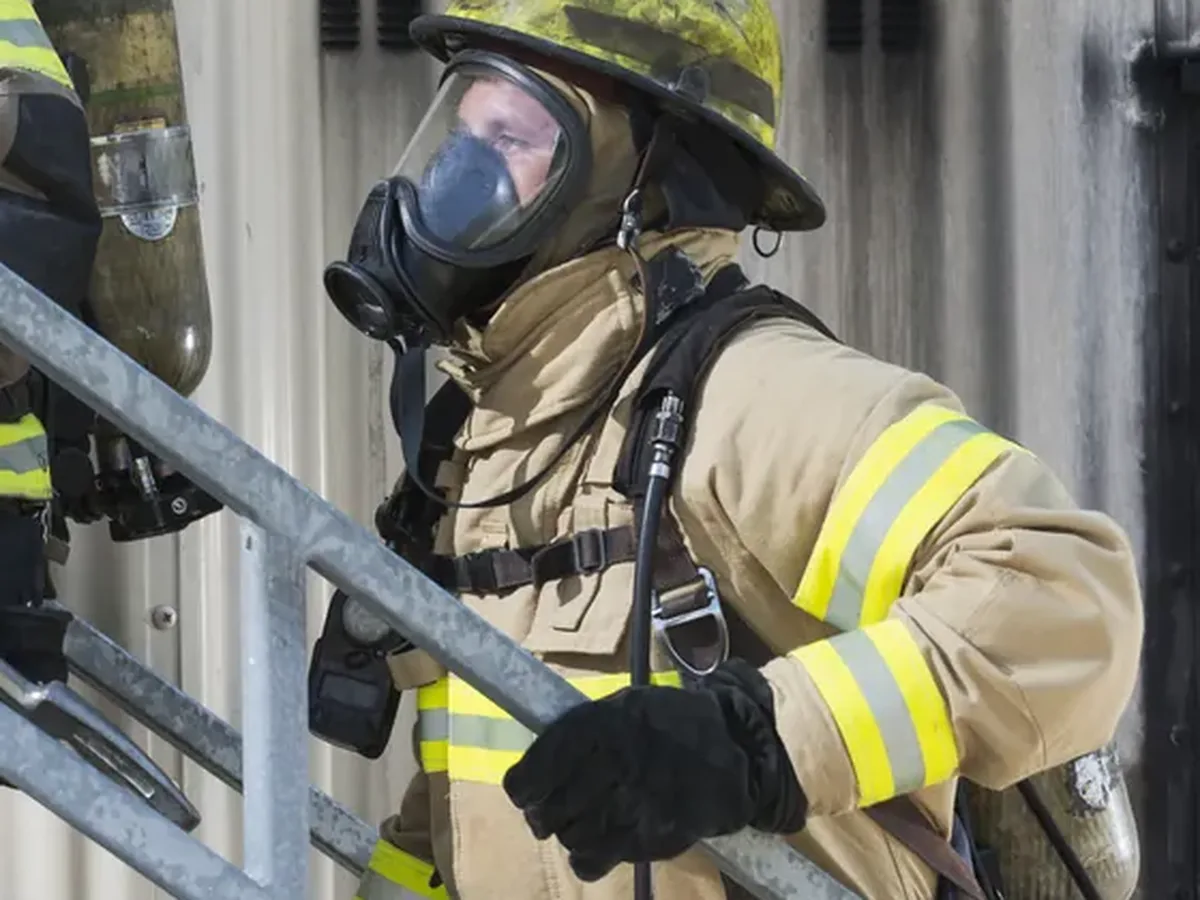
Thresholds were set on the readings that mattered: cardiac rate, body temperature, movement, and the air quality and chemicals present around each responder. When a threshold was crossed, an alert fired. Command staff could order a crew member out before the situation turned. Command staff did not have to read the data. They watched the picture and acted on the alerts. The same data was sent to each firefighter’s own doctor. A physician could watch for anomalies after a specific event and across a whole career. The department’s existing health and wellness programs were the home for that history.
Stock photograph
Route not taken
One more vendor dashboard
Each sensor ships its own screen. Command has no time to read several.
Route not taken
Home-built integration
Paid for again every time a sensor changed.
The fit
SensorUp
Thousands of readings per sensor on one record, in time and on the map, with thresholds that fire.
What changed
Command saw every responder, and at-risk crew stood out
01
Every responder, one picture
Command staff saw each responder’s location, environment and condition in real time, from one screen.
02
At-risk crew, visually distinct
At-risk crew members were visually distinct and easy to identify and locate.
03
Alerts at the threshold
Automated alerts fired when a threshold was crossed, so command could act before conditions turned.
04
A career-long exposure history
Each firefighter’s exposure history went to their own doctor, as a record that could follow a whole career.
As described by VFRS and SensorUp in 2020. No before-and-after figures were measured for this engagement, so none are reported here.
In their words
“Responders may push their limits by remaining in an environment when it’s no longer safe, especially in the interests of saving a human life. Unless you’re standing right beside them, you have no insight to their environment and the immediate risks they face. If you did, you’d order them out immediately. SensorUp technology provides command staff with the ability to track environmental conditions and worker status in the moment so we can ensure every responder makes it out safely.”
More earlier work: rail visibility at every handoff for Cando Rail and one shared sensor record for DHS first responders. How the same pattern runs in industrial operations today: why SensorUp.
Build a working prototype on your data in two days
The workshop is free. Bring one workflow and a representative sample of your data, and an engineer will scope it with you on day one.