
What already happened, what's happening now, and a look at what's coming.
SensorUp reconciles your operating history with live production, so you see what is coming and can defend it, from the first signal to a record that holds up.
Catch → Prioritize → Resolve
A dashboard shows you now. It cannot show you next.
Every dashboard ends at a human, and it only ever shows the present. SensorUp reconciles what already happened with what's happening now, so the next move is in view before it arrives, and the record behind it holds up. Unlike the analytics era's static dashboards and point solutions, you get decisions you can defend. Why the dashboard era ends here is the doctrine.
The live signal lands against your record
Every source lands in one model, next to the history that gives it meaning.
Sensors, flyovers, inspections, and historians land in one operating record. A reading on its own is noise; set against your history and your operating plan, it is a signal you can rank.
History plus live shows you what is next
The reconciled number, weighed against the plan, points at the next move.
Reconcile what already happened with what is happening now and the trajectory shows: which event matters, what is coming next, where the operation is drifting from plan. That is the look around the corner.
A number that survives the room you are not in
Owned work, closed, with a record an auditor accepts.
The finding becomes owned work routed to the team that owns it, closed with documentation. The number you act on traces from filed value to source reading, so it holds up months later when someone you never met asks where it came from.
The defensible number
Illustrative figures. The reconciliation is real; these specific readings are a schematic, not a measured result.
Check it yourself
We don't ask you to trust it. You can check it yourself.
Measurement beats estimation, and a number you cannot trace is a liability, not an asset. Every claim on this page is one your team can verify before you sign anything, against your own stack, written so your architects can check it on the Studio page. You have bought industrial software before, so we assume you are skeptical. That is the right prior.
Every number traces to its source
The full lineage: filed value back to source reading, calculation and all.
A filed value walks back through the calculation that derived it, to the observation, to the raw reading as it landed. An immutable audit trail records every change. You do not get an assertion that a trail exists; you get the trail.
Integration is a claim you can falsify, not an adjective
Historians (PI, CygNet) over OPC-UA and Modbus, ERP, monitors, satellite. Named systems and protocols your architects can check.
It reads the systems you already run by name: historians (PI, CygNet) over OPC-UA and Modbus, ERP, monitors, satellite. Ingress is pull-shaped, with nothing new on the OT segment. Where your systems disagree, the seams show, with the provenance to settle it.
Your data leaves with you
Full typed export; the boundary is in the database, not a contract.
You own your data and the way you set it up. A full export ships on demand, complete, and the tenant boundary is enforced in the database, not asserted in a slide. If the software stops earning its place, your data walks out with you.
Who we are
We started where the data was hardest
Methane came first, a problem new to oil and gas: more measurement than operators knew how to reconcile or act on. SensorUp was founded by Dr. Steve Liang, a sensor-data researcher and University of Calgary professor, who saw that data lock into proprietary silos. A canonical, open-standard data model fixed the format problem; reconciling disagreeing signals into one number your engineers defend and your auditors accept was the harder, more boring one, and it is the part SensorUp builds. Solving it in methane taught us these companies' data and operations well enough to take on the operational problems next to it.
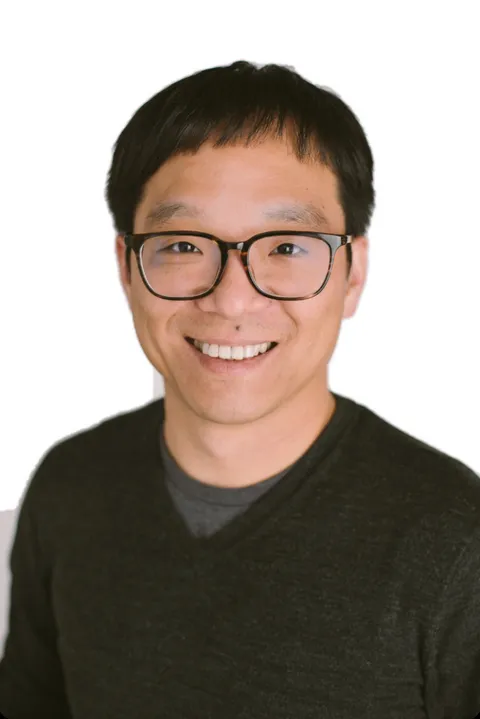
- University of Calgary — Professor, IoT Research Chair
- Author, international open standards for sensor data
- PhD, Earth & Space Science, York University
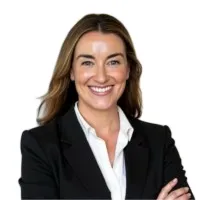
- TuneIn — Acting CFO
- Deloitte & PwC — Finance
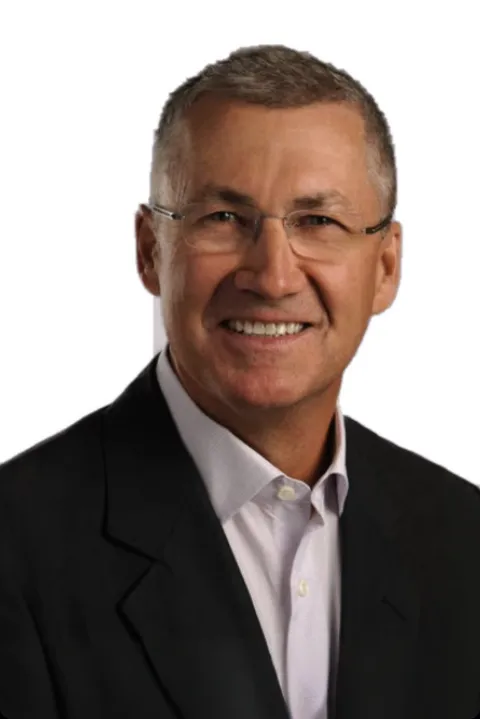
- Descartes Labs — CEO
- Comprehend Systems — CEO
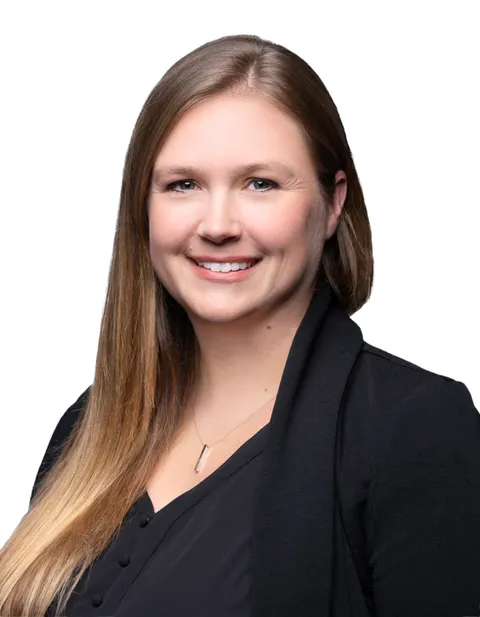
- S&P Global · Enverus — Data & strategy
- University of Texas at Austin — Emissions analytics research
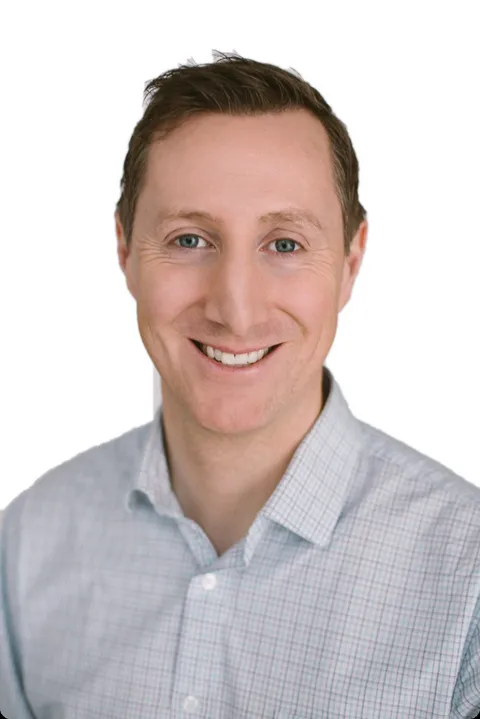
- Tesera Systems — CTO
- Premise — Product
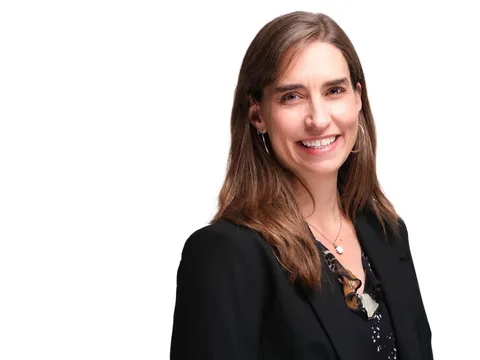
- ExxonMobil — Mechanical Engineer
- SensorUp — VP, Partnerships
Investors and operators


Five OGCI operators, in production
Oxy · Repsol · Petrobras
Principles
The principles we actually operate by
Operations and environment are the same data
Stop running two businesses from the same facility. SCADA and emissions should live in one system.
Empirical data replaces estimates
If you cannot trace a number back to a sensor at a specific time, it is not compliance, it is a guess.
Open standards prevent lock-in
Built on open, standards-based canonical models, so your data stays portable and the exit path is part of the spec, not locked to any vendor, including us.
Built once, composed per problem
Not a monolith. Solutions are composed in SensorUp Studio on the same asset record, so the second problem does not restart procurement.
Talk to an engineer
Bring your operating history and your live feeds. We will reconcile them against your actual stack, show you where the next move is already visible. At the decision stage, ask for a reference conversation and we'll set one up with an operator running it in production.